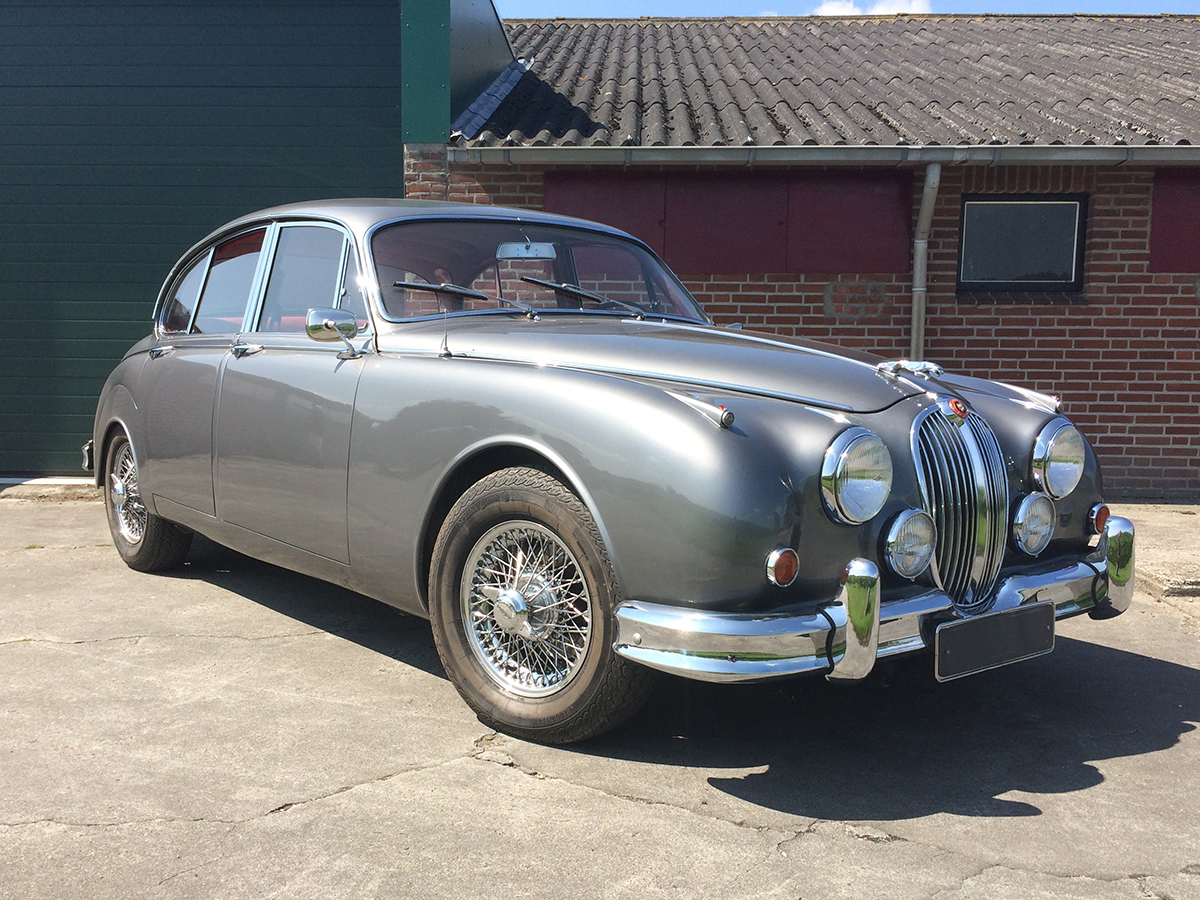


In 1963, Jaguar Cars launched the Jaguar S-Type. Styled by Jaguar founder and boss Sir William Lyons, the aim was to produce a luxury, high-performance, four-door saloon to bridge the gap between the Mark 2 and Mark X, both which continued to be manufactured and sold.
When launched in September 1963, the S-Type was seen as a major evolution of the Mark 2, featuring an extended boot, a more luxurious cabin, and improved, higher-geared steering. The sophisticated, underrated luxury sedan bridged the gap between the Mark 2 and Mark X, featuring E-Type independent rear suspension for superior handling resulting in being known for a “magic carpet ride”. The 3.8-litre S-Type reached a top speed of 121 mph in 10.2 seconds and was considered a safer, more stable handler than the Mark 2.
Both the 3.4-litre and 3.8-litre engine models had twin carburettors and there was a 4-speed manual transmission along with 4-speed manual/overdrive and 3-speed automatic options.
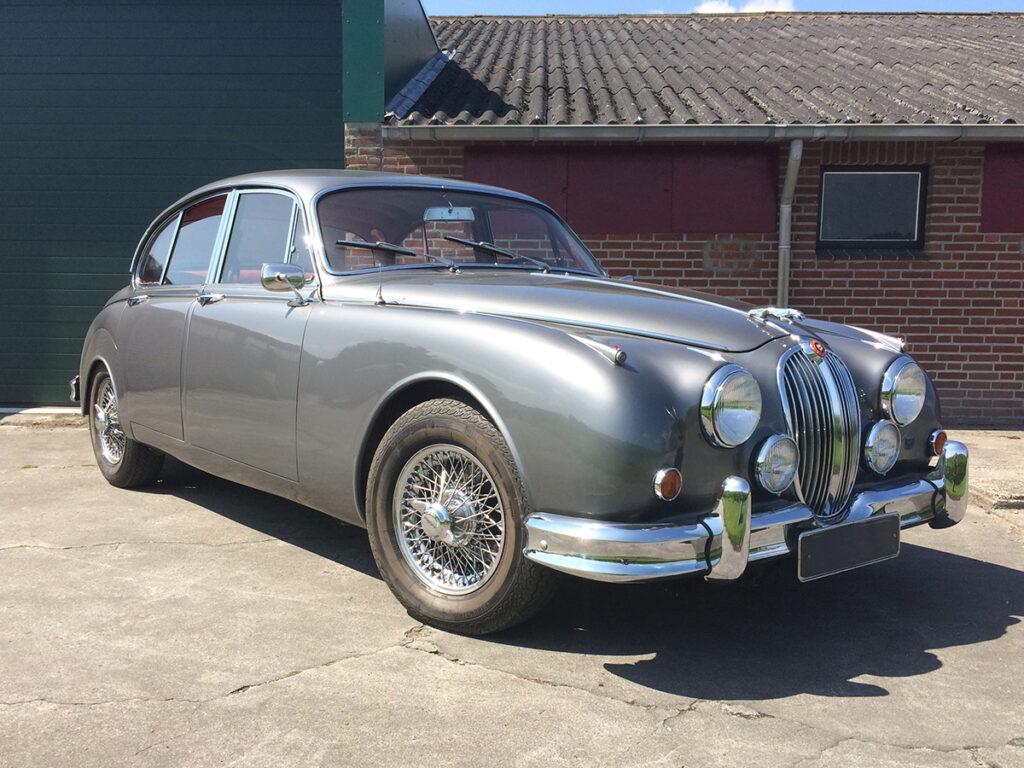
The S-Type had been developed following concerns about the Mark 2 being outdated. However, when released in 1963, sales of the Mark 2 remained very strong. For this reason, Jaguar decided to retain the Mark 2 and sell alongside the new S-Type and high-spec Mark X (renamed 420G in 1966).
Media reviews at the time of the S-Type launch were very positive, commenting that it was ideal as a car for the family, business, sports or even as a grand tourer. The S-Type was widely considered to be a better car than earlier Jaguar cars.
Production and demand for the S-Type peaked in 1965 at 9,741, dropping to 909 in 1968 when it was succeeded by the Jaguar 420 and XJ6. For whatever reason, despite the S-Type’s excellence, it simply failed to ignite the imagination of the motoring public. Between 1963 and 1968 Jaguar produced 24,933 S-Types and in recent years has gained increasing popularity with the value rising closer to the Mark 2 as collectors recognise the superior engineering. However, it is estimated that only 169 examples of the original 1960s S-Type remain on the road in the UK, making the car far scarcer than the Mark 2.
In a similar way to the Mark 2, the superior handling and speed of the S-Type made the car a favourite of both police and criminals. A 1964 3.8-litre Jaguar S-Type was used British crime film The Villain (1971), which starred Richard Burton as gangster Vic Dakin.
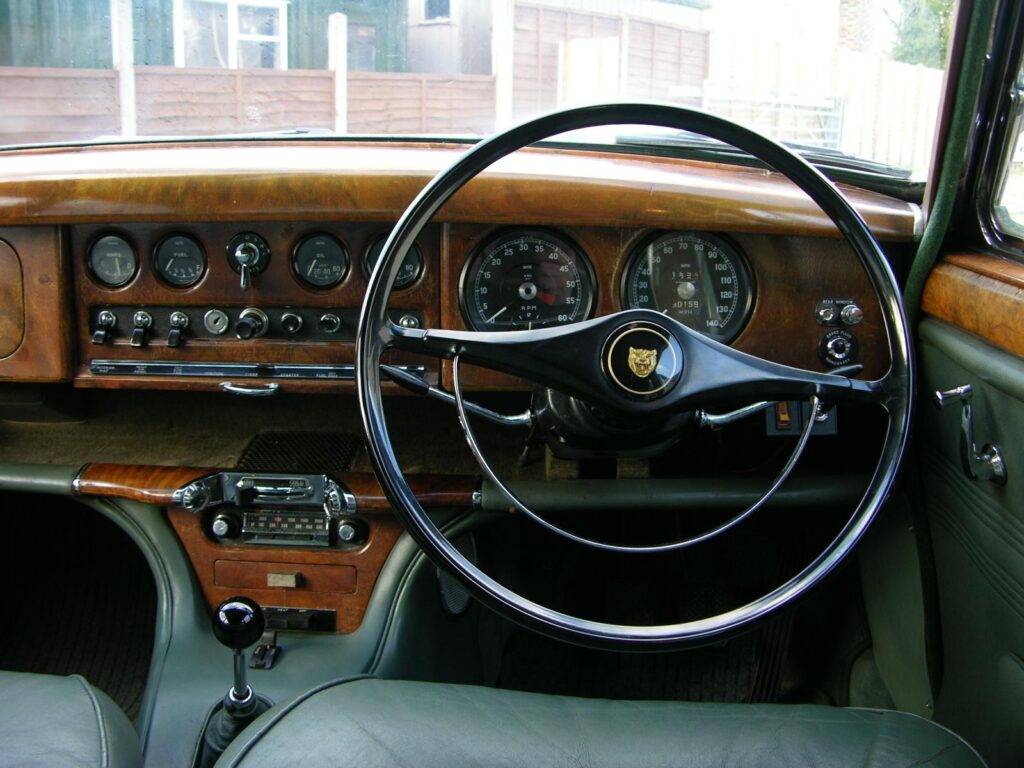
The Jaguar S-Type dashboard featured six Smiths gauges including a speedometer and tachometer mounted behind the steering wheel and a set of four gauges – ammeter, fuel gauge, oil pressure gauge and water temperature gauge – positioned in the centre of the dashboard between the driver and passenger seats. Due to the popularity of classic Jaguar cars, replacement Smiths branded gauges continue to be manufactured by CAI using the original drawings to maintain the look and styling of the original car.
For further information on Smiths gauges for classic cars and motorcycles please contact us on:
Email: [email protected]
Phone: +44 (0) 1639 732200
You can also follow us on social media for regular news updates, photographs and technical information: